

The Yaq̓it ʔa·knuqⱡi’it First Nation is urging hunters to honor wildlife and adhere to legal hunting practices after discovering numerous cases of suspected poaching and careless hunting methods this autumn.
“I am quite worried about the number of animals left behind without their meat being utilized,” expressed Tyler Phillips, the director of lands and resources for the Yaq̓it ʔa·knuqⱡi’it First Nation.
Phillips, along with the Yaq̓it ʔa·knuqⱡi’it First Nation, reported an uptick in suspected poaching and illegal hunting activities, both within and adjacent to the nation’s reserve lands in the East Kootenay region.
“We are aware that some individuals accessing the reservation are not members,” stated Phillips regarding the trespassers. Hunting is strictly prohibited on Yaq̓it ʔa·knuqⱡi’it reserve lands for anyone other than the members of the nation, unless explicitly authorized.
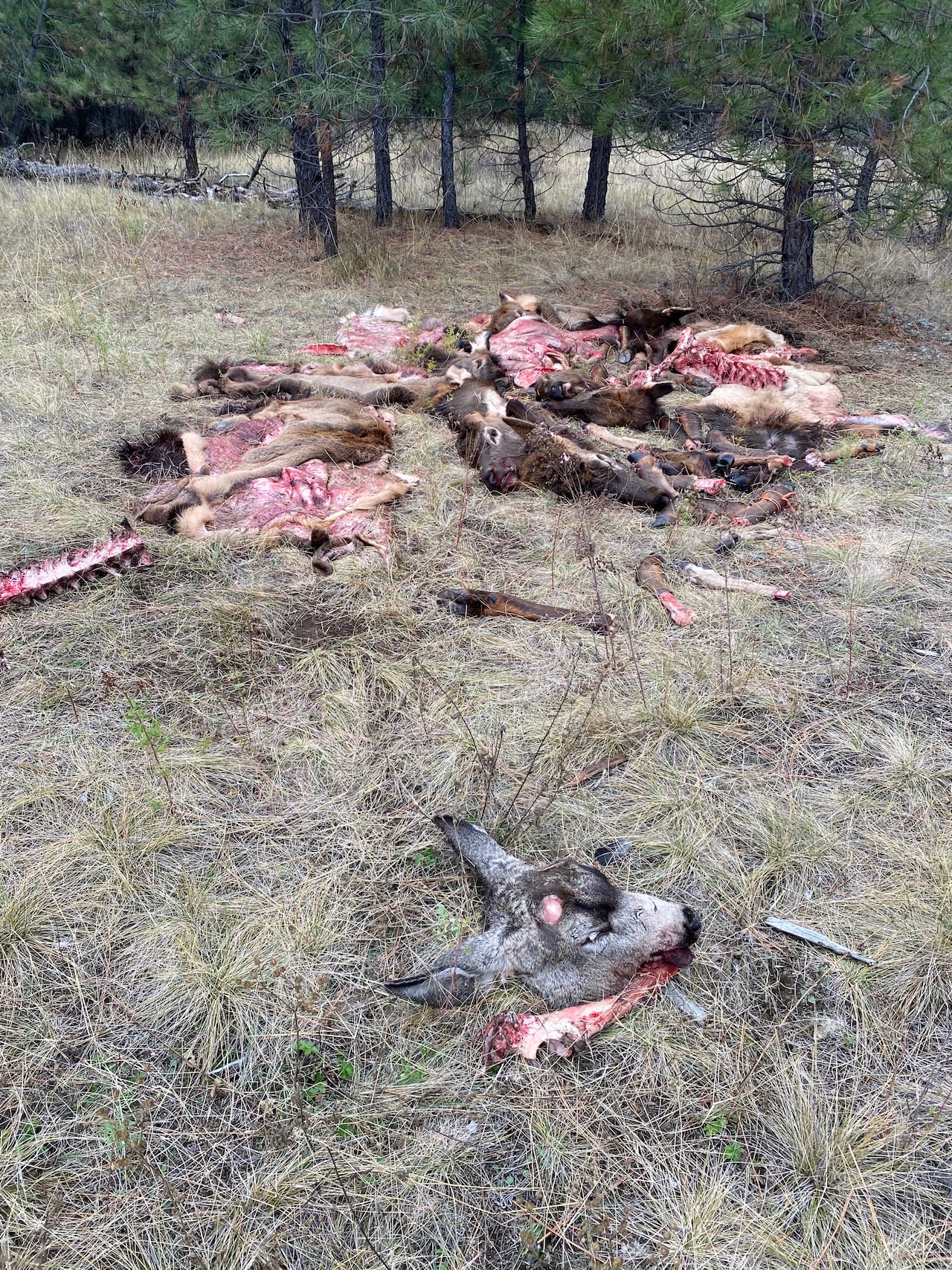
The Yaq̓it ʔa·knuqⱡi’it First Nation reports an increase in suspected poaching and discarded animal remains in the East Kootenay area. (Tyler Phillips)
He noted that this hunting season, there have been nine reported instances of elk and deer carcasses left entirely abandoned on the reserve. These animal remains were identified by the Yaq̓it ʔa·knuqⱡi’it Guardian Team, which monitors the area for environmental violations.
Phillips mentioned that he and the guardian team suspect that those responsible opted to discard animals that were smaller than what their tags allowed.
“To evade penalties, they simply left the animal behind,” he explained.
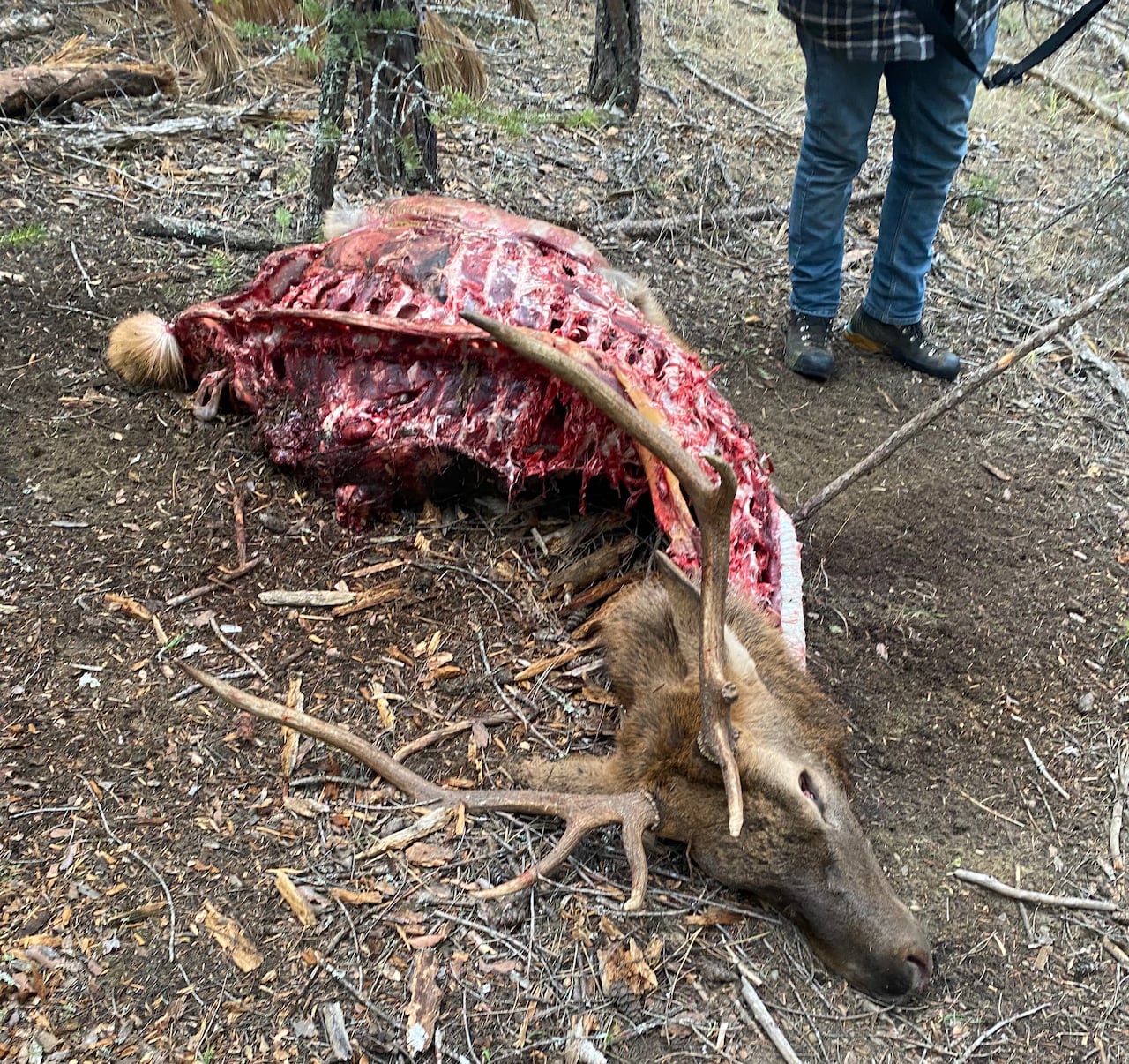
The Yaq̓it ʔa·knuqⱡi’it First Nation emphasizes that these actions are illegal and raise significant concerns regarding unlawful harvesting, wildlife waste, and improper disposal. (Tyler Philips)
During their patrols this fall, the guardian team also found several instances of improperly discarded animal body parts near the reserve, which is particularly concerning in a chronic wasting disease control zone like the East Kootenay.
<p"That is certainly a significant worry. It is crucial that every animal eligible for testing is submitted for analysis to help track this disease," remarked Phillips.
He added that leaving behind deer and elk heads not only obstructs testing efforts but also poses a risk for the spread of chronic wasting disease.
The guardian team has since widened its patrol area to monitor for hunters, poachers, and any environmental harm, Phillips stated.
Phillips indicated that the Yaq̓it ʔa·knuqⱡi’it team is collaborating with the B.C. Conservation Officer Service (BCCOS) and the B.C. Wildlife Federation to apprehend and prosecute those involved in these violations.
Jesse Zeman, executive director of the B.C. Wildlife Federation, stated that these disrespectful actions are illegal and stem from poaching or unlicensed hunting.
“This reflects a complete disregard for hunting, wildlife, and regulations,” he remarked.
Zeman specifically mentioned that the heads of elk and deer were neither removed nor submitted for required testing in the area.
He added that some of the animals shot evidently did not meet the size and antler criteria for the tags issued this year.
“This is quite severe,” Zeman commented regarding the offences.
He noted that the BCCOS has the authority to charge those responsible, and convictions could lead to fines, suspension of licenses, and imprisonment if they are identified. Zeman mentioned that the B.C. Wildlife Federation offers rewards reaching up to $2,000 for information leading to the apprehension of poachers or illegal hunters resulting in a conviction.
Phillips urged everyone, including non-hunters, to help by reporting any suspicious activities.
“I encourage all hunters to adhere to the regulations established by the province and to engage in respectful harvesting of wildlife in this area. I also ask the public to report any individuals they observe acting outside the law,” Phillips concluded.