

If you have invested in CIBC mutual funds, you may qualify for a share of an $11 million settlement, but the deadline to apply is rapidly approaching.
Individuals who possessed units of a CIBC mutual fund or a Renaissance mutual fund on or before September 5, 2025, are eligible for compensation, with the exception of those who held the funds through a discount brokerage. (Renaissance Investments operates as a subsidiary of CIBC.)
The class-action suit claims that trailing commissions were improperly disbursed to discount brokers—such as Scotia iTRADE or Wealthsimple—who facilitate trades for investors but typically do not offer tailored financial guidance.
Trailing commissions are intended to reward mutual fund dealers or advisors for their advisory services. The lawsuit contends that since discount brokers do not provide such advice, the fees are “excessive, inflated, and/or unearned.”
Additionally, it is alleged that CIBC was funding these trailing commissions using assets from its mutual funds. The settlement does not imply any wrongdoing by CIBC or the CIBC Trust Corporation, which is also named in the lawsuit and manages assets.
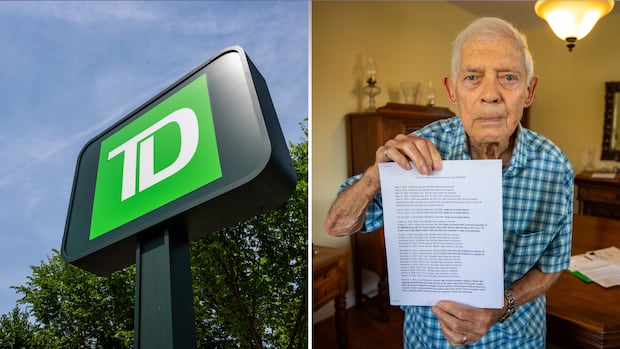
Go Public has received feedback from numerous victims of bank fraud who question why financial institutions are not held accountable for losses due to fraud. The government states it is currently consulting on the matter, but has not committed to holding banks financially responsible as is done in some other nations.
Those eligible for the settlement who currently own CIBC or Renaissance mutual funds will receive their share automatically—no claim submission needed—as their portion of the settlement will be directly credited to their existing mutual funds.
Conversely, former holders of CIBC mutual funds must fill out a claim form by November 18 to qualify for compensation. This can be completed online on the class-action website.
Investors who owned both CIBC and Renaissance mutual funds may be eligible for compensation from both claims, according to the class-action website.
While it is uncertain how much each claimant might receive from the settlement, the allocation plan suggests a potential payout of approximately $32, provided there are sufficient funds to distribute to all eligible claimants.